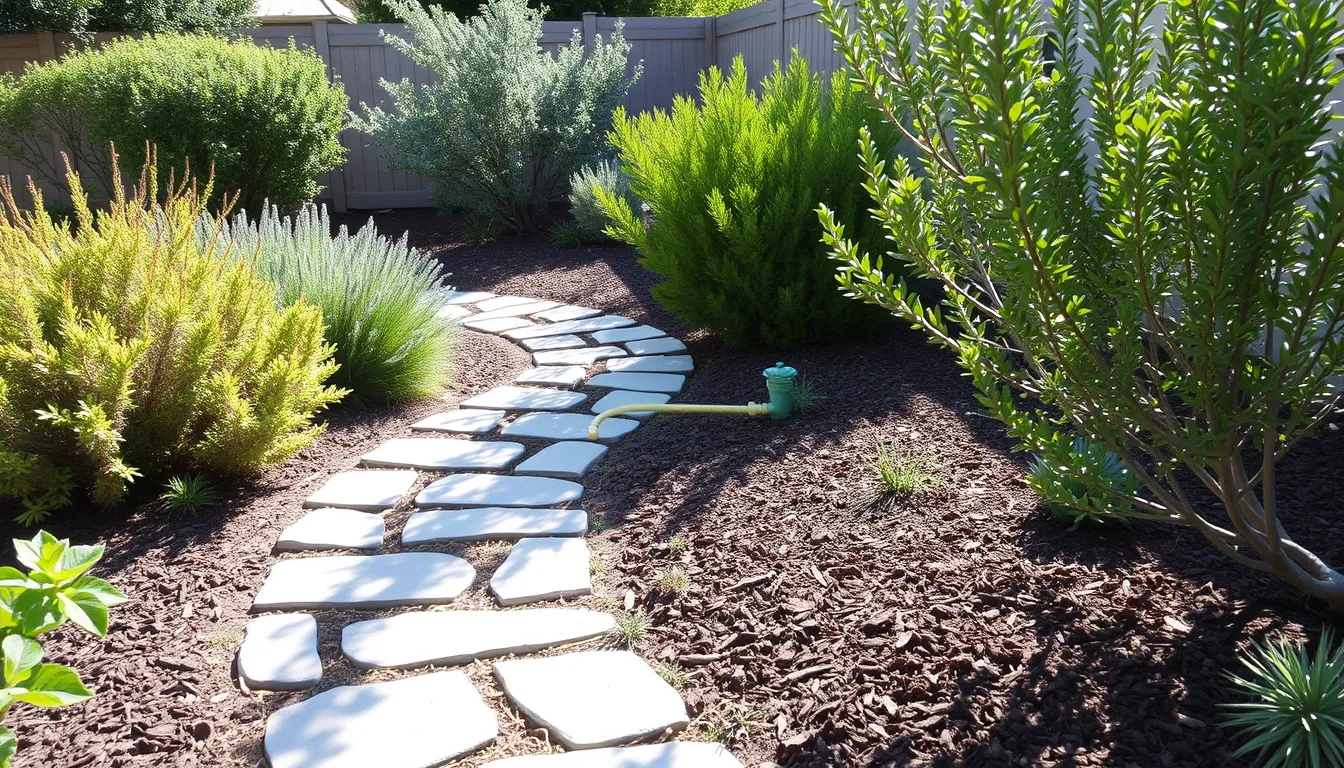
This guide helps you design a garden that thrives with minimal daily effort. It is ideal for newcomers who want greenery without the burden of constant weeding, watering, or pruning. You will learn how to make concrete decisions upfront that reduce future maintenance.
Instead of generic advice, this approach focuses on strategic planning. You will assess your specific site conditions and select durable materials like hardscape and native species. By integrating efficient drip irrigation and proper soil amendment, you create a system that sustains itself.
The result is a low-maintenance garden that looks good with less work. You will end with a clear seasonal care routine, ensuring your landscape remains healthy and attractive with only occasional attention.
Assess Site Conditions and Set Clear Goals
Before buying a single plant, spend a week observing your yard. Track how sunlight moves across the ground throughout the day, noting which areas stay shaded even in mid-afternoon. Watch for prevailing wind patterns that might dry out soil or damage delicate foliage. Dig a small hole to check soil texture; sandy soil drains quickly but leaches nutrients, while clay holds water but compacts easily. Identify existing vegetation, as established trees and shrubs dictate where new plantings will thrive or fail.
Once you understand the physical constraints, define your maintenance limits. Be honest about how many hours per week you are willing to spend on gardening. If your goal is strict water conservation, prioritize xeriscaping principles and select native species adapted to local rainfall. Decide on an aesthetic style that aligns with your effort level; a wild, naturalized look often requires less pruning than a formal, structured design.
Your goals should directly influence your plant choices. If you want to minimize weeding, plan for dense groundcover that suppresses grass. If you prefer low water usage, commit to installing drip irrigation only in necessary areas. By aligning your design with both site conditions and personal limits, you create a realistic framework. This clarity prevents later frustration and ensures every element serves a purpose, reducing the need for constant intervention.
Select Plants and Materials That Require Minimal Care
By aligning your design with both site conditions and personal limits, you create a realistic framework. This clarity prevents later frustration and ensures every element serves a purpose, reducing the need for constant intervention.
Choose plants that naturally thrive in your climate. Native or well‑adapted species cut down on watering, pest control, and fertilization. Perennials that return each year save the effort of replanting. Pair them with low‑growth groundcovers that shade the soil and suppress weeds.
Criteria for low‑maintenance choices include:
- Native or locally adapted perennials
- Groundcovers that stay under 12 inches tall
- Plants with similar drought tolerance
- Species that require minimal pruning
Group plants with matching water and pruning needs so irrigation and trimming can be done in batches. For example, cluster a drought‑tolerant shrub with a drought‑tolerant grass‑like groundcover; water only once a week and prune only when they reach their established height.
When selecting hardscape, opt for materials that resist wear and need no sealing—porcelain pavers, natural stone, or recycled concrete. These surfaces keep their appearance with little upkeep, letting you focus on the plants that truly need attention.
Design an Efficient Water‑Management System
When you know How to Plan a Low-Maintenance Garden, the next step is to let water work for you rather than against you. Begin by mapping the garden’s slope and any natural low‑points; gentle swales or shallow berms can slow runoff and direct it toward planting beds, reducing the need for supplemental watering.
Install a drip irrigation network or soaker hoses along the main rows of perennials and groundcovers. These systems deliver water at the root zone, limit evaporation, and can be tied to a timer for consistent, low‑effort watering. Connect the timer to a rain barrel or two, positioned at the highest point of the slope, so captured rain feeds the drip lines automatically.
- Group native species with similar moisture requirements together; this creates “wet” and “dry” zones that simplify irrigation programming.
- Use a pressure regulator and filter to keep drip emitters clear, extending their lifespan.
- Place rain barrels on a raised platform with a simple gravity‑feed hose to reach the drip lines without pumps.
- Consider a mulch layer around each plant to retain moisture and suppress weeds, further cutting back watering frequency.
By shaping the terrain, routing water with drip, and harvesting rain, the garden stays hydrated with minimal hands‑on effort, freeing you to enjoy the mature, low‑maintenance landscape.
Prepare Soil and Apply Mulch for Long‑Term Ease
Start with a basic soil test to understand pH and nutrient levels. This data guides your soil amendment strategy, ensuring you add only what is necessary. Incorporate compost or other organic matter into the planting beds to improve structure and drainage. A loose, well-draining profile prevents waterlogging, which stresses roots and promotes disease. Well-aerated soil also encourages deeper root growth, making perennials and native species more resilient to drought and temperature swings. Once the soil structure is set, focus on surface management. A thick layer of mulch serves as the final defense against high-maintenance chores. It blocks sunlight from reaching weed seeds, significantly reducing the need for manual weeding. Simultaneously, mulch slows evaporation, keeping the soil moist longer and reducing the frequency of watering. Choose organic materials that break down over time, adding nutrients back into the soil as they decompose. This dual function of moisture retention and weed suppression creates a stable environment. By investing time in proper soil preparation and consistent mulching now, you minimize future labor. The garden becomes self-regulating, requiring less intervention for watering and cleanup, allowing the landscape to mature with minimal ongoing effort.
Lay Out Beds, Paths, and Hardscape for Simple Access
Keep planting beds narrow enough to reach the center from either side without stepping into the soil. This prevents compaction and reduces the distance you must bend. Aim for widths that allow comfortable access with standard tools. Where space is tight, consider raised beds or large containers. These elevate the growing medium to waist height, eliminating the need to crouch for weeding or harvesting. They also simplify watering and fertilizing, as applications stay contained within the structure.
Pathways should be wide enough for a wheelbarrow or mower to pass comfortably. Gravel or flagstone paths provide durable hardscape that drains well and requires no mowing. Place these paths strategically to connect key areas while minimizing walking distance between zones. Position water sources and tool storage at the periphery of the main traffic flow. This reduces the number of times you carry equipment across the garden. Grouping similar maintenance tasks into adjacent areas further cuts down on tool travel. For instance, keep high-maintenance annuals near the entrance for easy viewing and quick cleanup, while placing low-maintenance perennials and groundcovers further back. This layout ensures that daily tasks are quick and straightforward, preserving your time and energy for the garden’s long-term health.
Establish a Minimal Ongoing Care Routine
Once beds and paths are set, a few seasonal habits keep the garden tidy without daily fuss.
- Spring (March‑May): Remove spent bulbs, trim early growth, refresh mulch to 2‑3 inches, and test the drip system for leaks.
- Summer (June‑August): Deadhead faded flowers, prune overgrown perennials, spot‑water thirsty spots, and inspect irrigation heads for clogs.
- Fall (September‑November): Cut back dead foliage, apply a thin mulch layer, and clean gutters to maintain water flow.
- Winter (December‑February): Protect cold‑sensitive plants with burlap, check mulch coverage, and adjust the irrigation schedule for season.
Low‑effort weed control thrives on a thick mulch layer and the occasional hand pull before weeds establish roots. Using a rolled‑up garden sheet or biodegradable mat in new beds gives weeds a head start against growth.
For pests, a visual sweep twice a month and a few sticky traps near flowering beds catch common visitors before they spread. Pairing these habits with a hardy plant palette and a well‑placed drip system turns a low‑maintenance garden into one that works for you.